5 Critical Maintenance Tips to Extend Your Hydraulic Breaker Life
Contents: 5 headings
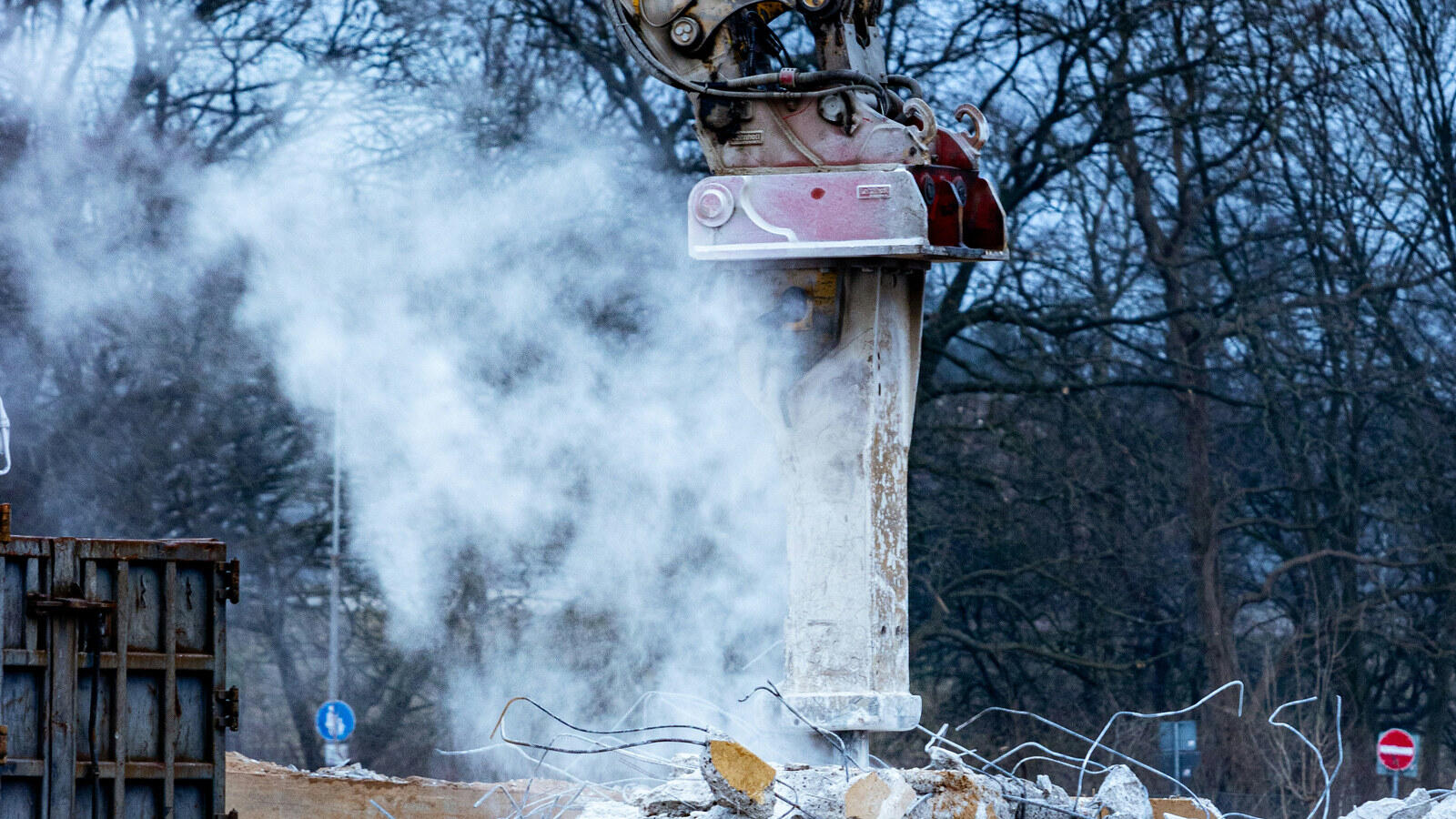
Hydraulic breakers are the toughest attachments on the job site. While an excavator bucket can work for years with minimal maintenance, a hydraulic breaker consists of hundreds of moving parts operating under high pressure.
According to our service records, 80% of breaker failures are caused by poor lubrication and simple maintenance errors. Here are 5 critical maintenance rules you must follow to protect expensive parts like pistons, cylinders, and seals, and to reduce your service costs.
1. Proper Greasing: The Lifeline of the Breaker
Friction between the breaker tool (chisel) and bushings generates immense heat. If the lubrication film breaks, metal touches metal, and parts can seize.
- Frequency: Grease every 2 hours during manual operation. If you have an auto-lube system, check the cartridge every morning.
- Grease Type: Do not use standard chassis grease. Use high-temperature resistant, Molybdenum Disulfide (MoS2) based Chisel Paste.
Always grease the breaker while pressing it vertically against the ground (tool pushed in). If you apply grease while the tool is hanging freely, grease fills the chamber on top of the piston. On the first strike, this trapped grease tries to escape under pressure and blows out the seal kit.
2. Tool and Bushing Clearance Inspection
The tool (chisel) and the bushings holding it wear out over time. When this wear exceeds a certain limit, the tool starts to strike the piston off-center. Result: Piston failure.
When to Replace?
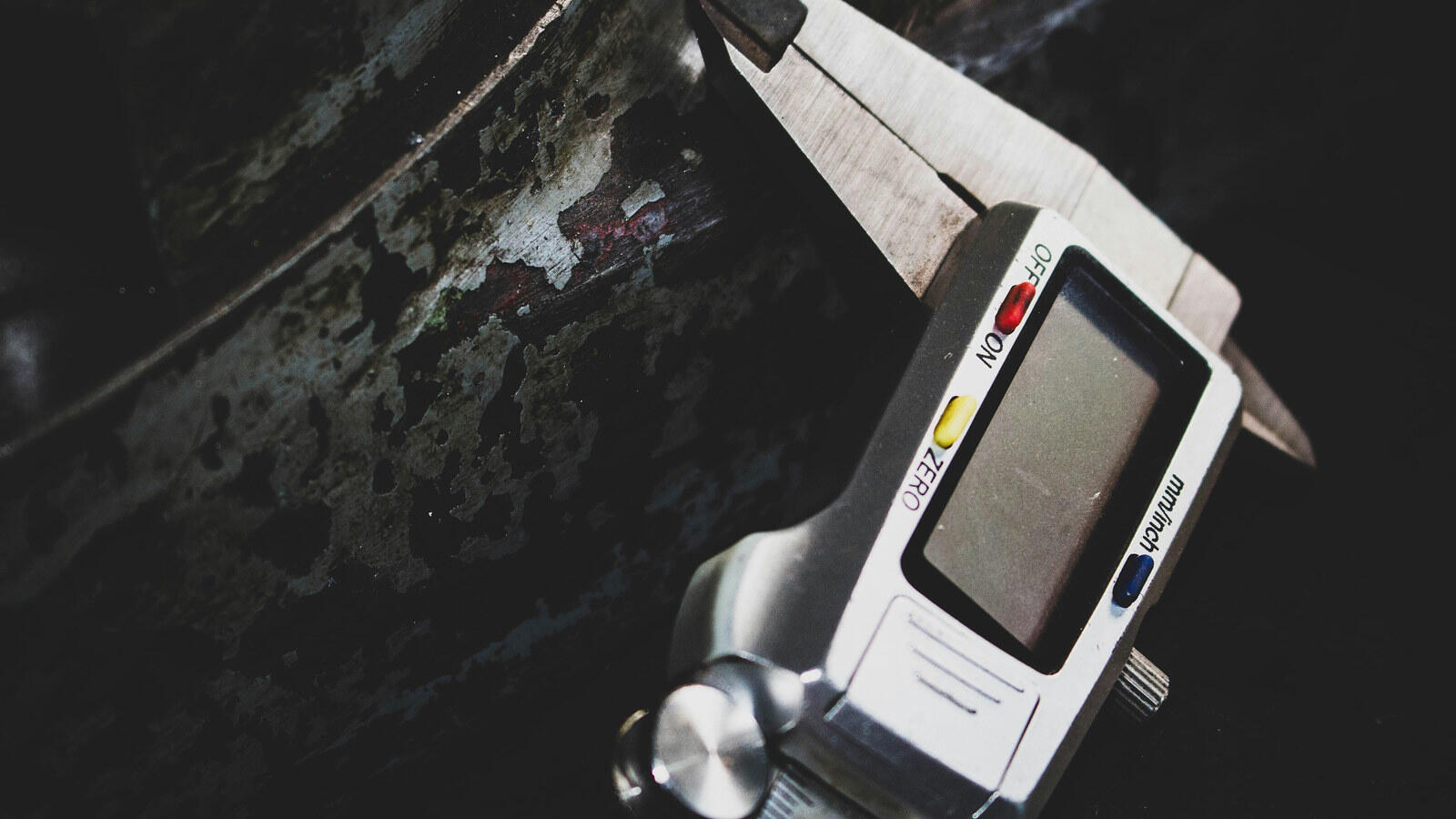
The table below is a general reference. Measure the clearance between the tool and bushing with a caliper:
| Breaker Class | Tool Diameter (mm) | Max Allowed Clearance |
| Mini Series (SB) | 40 - 70 mm | 5 mm |
| Medium Series (MB) | 80 - 120 mm | 7 mm |
| Heavy Series (HB) | 135 - 180 mm | 10 mm |
3. Bolt Torque Check
Breakers generate massive vibration during operation. Over time, this vibration can loosen Side Bolts and Through Bolts. Loose bolts cause the breaker body to flex and eventually snap the bolts.
- Routine: Check bolt torque every 50 hours of operation (weekly) and retighten if necessary.
- Visual Check: If you see metal shavings around the bolt heads or nuts, the bolt has stretched and lost its properties; replace it immediately.
4. Nitrogen Gas Pressure
The nitrogen gas in the backhead acts as a spring, boosting the piston's impact energy.
- If Gas is Low: The breaker loses power, and hydraulic hoses start to shake violently (whipping effect).
- If Gas is High: The breaker may not start or will operate erratically.
- Solution: Gas pressure should be adjusted according to ambient temperature in winter and summer.
5. Hydraulic Oil Temperature
Heat is the biggest enemy of hydraulic breakers. When hydraulic oil temperature exceeds 80°C, the oil thins and loses its protective properties. This causes the seal kit to burn and leak. If your machine is overheating, stop working and check the coolers.
Frequently Asked Questions (FAQ)
Q: I won't be using my breaker for a long time, how should I store it?
A: Store the breaker vertically on a stand, not lying down. Grease it generously before storage and release the nitrogen gas. Ensure the piston is pushed in (up) to prevent rusting.
Q: Why does my breaker tool keep breaking?
A: Usually 3 reasons: 1) Excessively worn bushings (see table above). 2) Operator using the tool as a lever (prying). 3) Operating at full power without warming up the tool in very cold weather.
Q: Can I work underwater?
A: NEVER submerge a standard hydraulic breaker underwater. If water enters between the piston and cylinder, the water hammer effect will destroy your breaker. For underwater work, an Air Line must be installed and connected to a compressor.
Service & Spare Parts Support
Using original spare parts is essential for the longevity of your breaker. Contact us for seal kits, bushings, and tool needs.
Email: info@hkm.com.tr
Related products
More in this category
Recent articles
![]() Global Mining Report: Cost Analysis in Hard Rock 26 November 2025
![]() Electric Heavy Machinery is Coming: Are Attachments Compatible? 26 November 2025
![]() 5 Ways to Save Fuel in Heavy Machinery While Prices Rise 26 November 2025
![]() Noise Pollution Laws and Silent Demolition Technologies 26 November 2025
![]() Future of Construction: "Green Sites" and On-Site Recycling Trend 26 November 2025
![]() Why Made in Turkey? The "Golden Ratio" Between China & Europe 26 November 2025
![]() Our Warranty Policy: Assurance Against Manufacturing Defects 26 November 2025
![]() How Are Your Products Shipped? Safe Packaging for Sea & Air 26 November 2025