How to Store Spare Parts? Preventing Rust and Corrosion
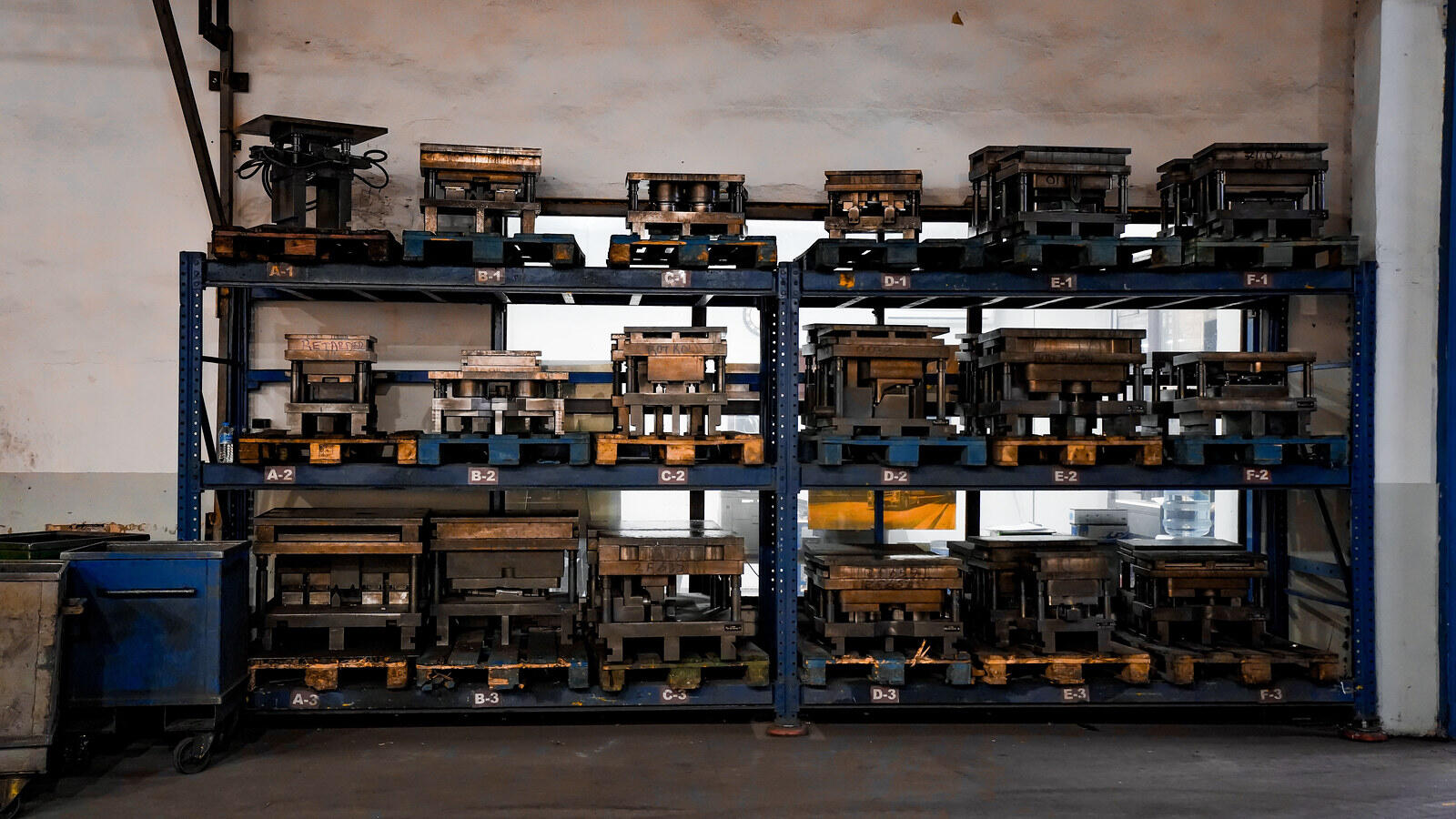
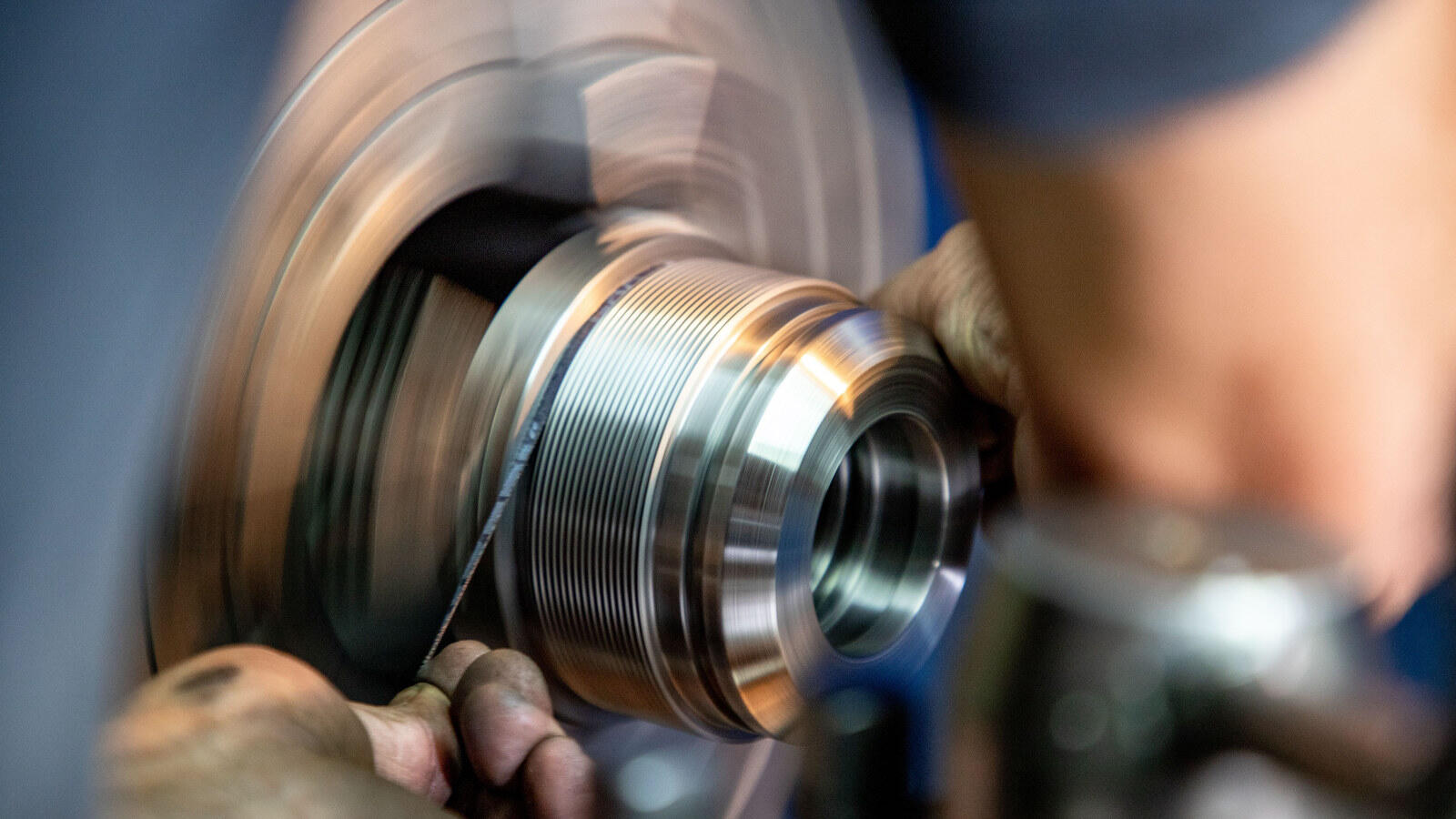
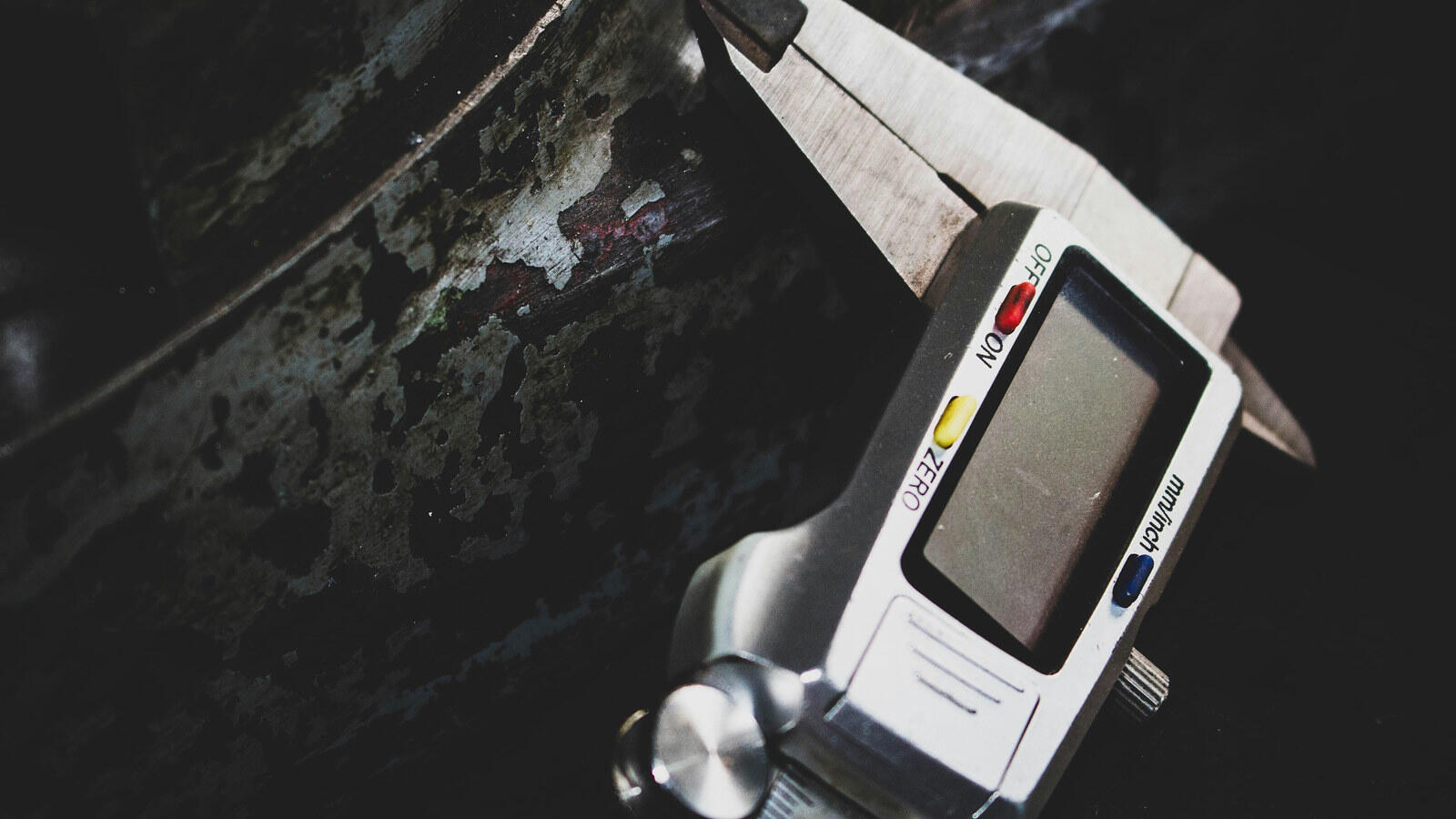
Assuming spare parts are "just steel" and throwing them into a damp warehouse is a big mistake. Especially parts like pistons and cylinders have micron-level surface tolerances. Rust renders these parts unusable.
1. How to Store Pistons and Cylinders?
- Vertical Position: Pistons should be stored vertically, not horizontally. Long pistons stored horizontally can bend over time under their own weight.
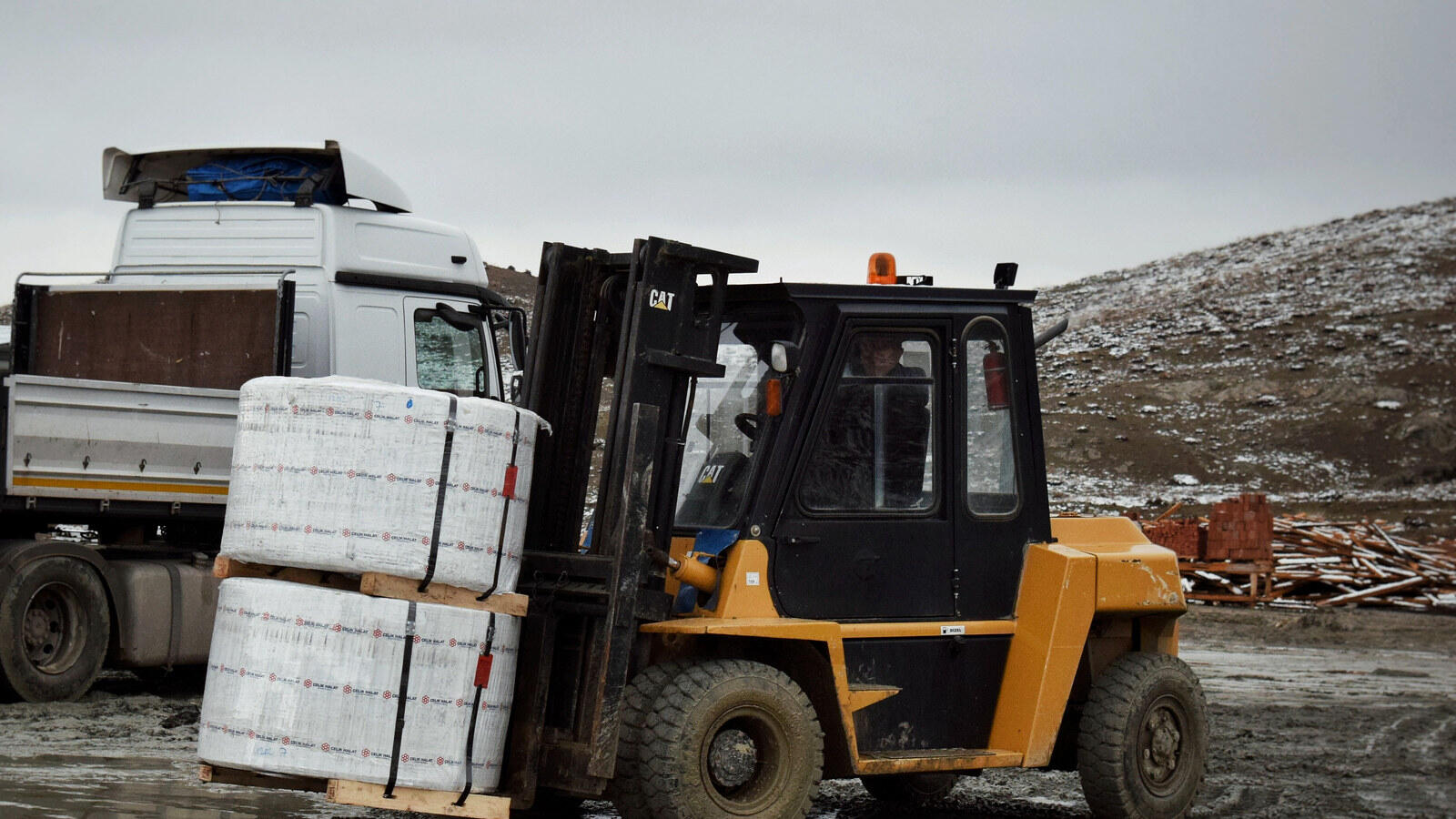
- Lubrication: Parts must be coated with protective grease or oil and wrapped in stretch film before stocking.
2. Rubber Parts (Seals & Diaphragms)
Seals and diaphragms have a shelf life. Sunlight (UV) and excessive heat cause the rubber to lose its properties.
- Dark Environment: Store in a cabinet away from sunlight.
- Room Temperature: Very cold or very hot environments harden the material.
Related products
More in this category
Recent articles
![]() Global Mining Report: Cost Analysis in Hard Rock 26 November 2025
![]() Electric Heavy Machinery is Coming: Are Attachments Compatible? 26 November 2025
![]() 5 Ways to Save Fuel in Heavy Machinery While Prices Rise 26 November 2025
![]() Noise Pollution Laws and Silent Demolition Technologies 26 November 2025
![]() Future of Construction: "Green Sites" and On-Site Recycling Trend 26 November 2025
![]() Why Made in Turkey? The "Golden Ratio" Between China & Europe 26 November 2025
![]() Our Warranty Policy: Assurance Against Manufacturing Defects 26 November 2025
![]() How Are Your Products Shipped? Safe Packaging for Sea & Air 26 November 2025